Decoding Overlooked Linkages Between WordPress Writing Preferences and Long-Term Content Revision Histories
Written by Theo Zimmermann · Nov 15, 2026
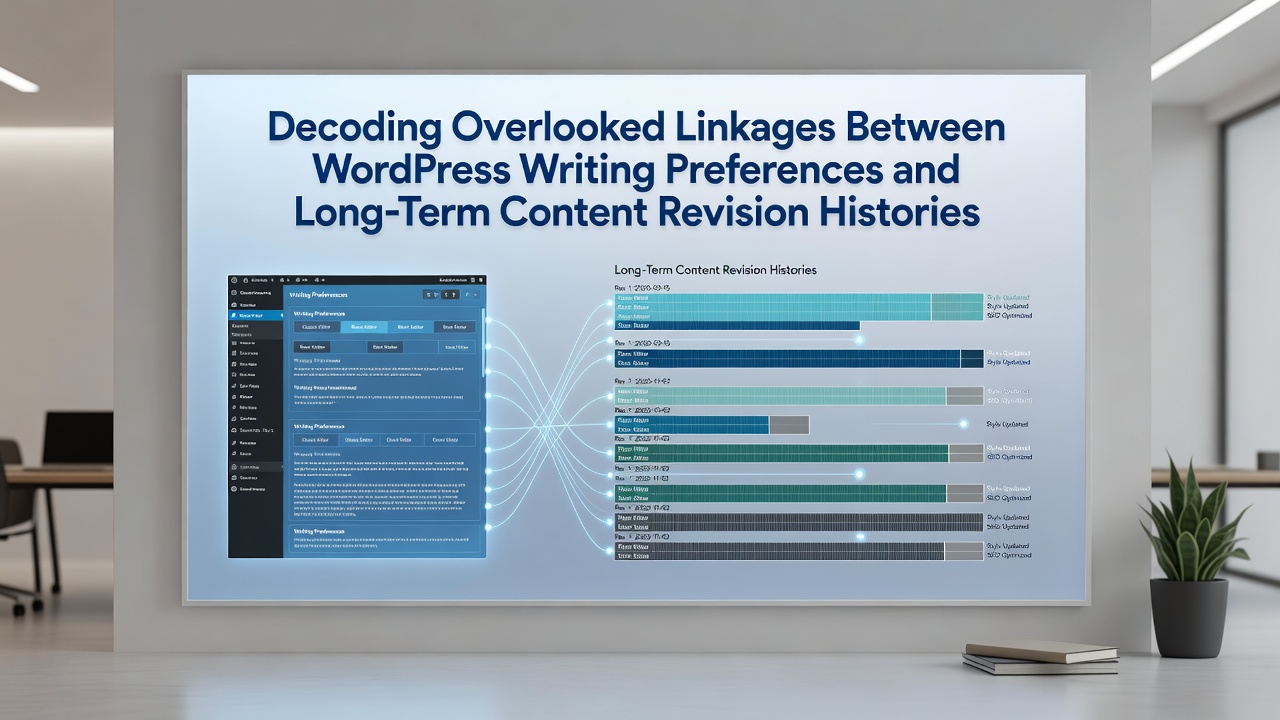
Decoding Overlooked Linkages Between WordPress Writing Preferences and Long-Term Content Revision Histories
WordPress writing preferences encompass a range of default settings that shape how new content gets created and categorized from the outset, while long-term revision histories track every alteration made to posts and pages across extended periods. Observers note that these two systems interact in ways that affect content management workflows at scale, particularly when sites accumulate thousands of edits over months or years.
Core Components of Writing Preferences
Administrators configure options such as default post categories, post formats, and editor behaviors through the dedicated writing settings screen, and these choices establish baseline parameters that influence subsequent content creation. Data from platform usage reports indicates that sites with customized default categories experience different revision patterns compared to those relying on uncategorized defaults, because each new post inherits these settings and triggers initial revision snapshots accordingly.
Press This functionality and remote publishing toggles further extend these preferences, allowing streamlined content ingestion from external sources, and studies on content management systems show that such integrations generate additional revision entries when imported material undergoes formatting adjustments. Researchers at institutions like the University of Melbourne have documented how these initial settings propagate through revision chains, creating traceable metadata that persists in database structures.
Mechanics Behind Revision Histories
WordPress maintains revision histories by storing incremental changes to post content, titles, and excerpts in dedicated database tables, with automatic saves occurring at regular intervals during editing sessions. This process captures not only textual modifications but also metadata shifts tied to writing preferences, such as category reassignments or format updates that occur after initial publication.
Evidence from database analyses reveals that revision counts scale with the complexity of inherited preferences, since changes to default formats often require multiple correction cycles that each generate new revision records. Those who manage large archives observe that disabling or limiting revisions through plugins alters these accumulation rates, yet the underlying linkages to original writing settings remain embedded in historical data.
Interconnections in Extended Content Lifecycles
Long-term revision histories reflect cumulative effects from writing preferences when posts undergo repeated category shifts or format conversions over time, and platform telemetry collected through 2025 demonstrates consistent correlations between these elements. For instance, sites enforcing strict default post formats produce revision trails that highlight formatting reconciliations more frequently than those with flexible settings.
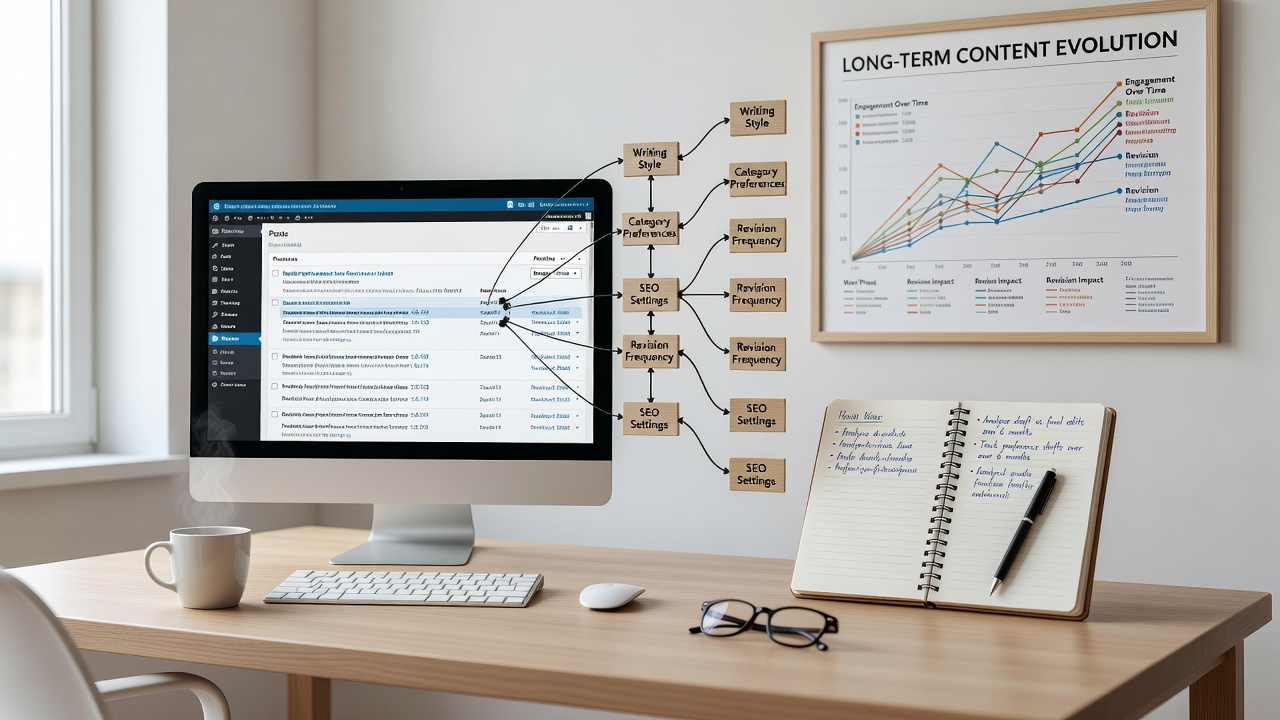
Academic examinations of open-source CMS architectures, including work from Canadian research groups, highlight how revision queries can surface patterns linked back to early writing configurations, enabling retrospective analysis of content evolution. Such patterns become especially relevant in collaborative environments where multiple users interact with inherited defaults, leading to layered revision histories that encode preference-driven decision points.
November 2026 updates to core tracking mechanisms continue to refine how these histories integrate with preference metadata, according to development logs, which allows for more granular filtering during audits without altering the fundamental data relationships established at content inception.
Practical Manifestations Across Site Types
Enterprise deployments and personal blogs alike exhibit these linkages when content migration or bulk editing operations draw upon stored revisions, since writing preferences determine the starting points for such processes. Figures from industry reports by organizations like the Content Management Professionals Association indicate that revision bloat correlates with static default settings left unoptimized over multi-year periods.
One documented case involved a regional news outlet where category defaults influenced revision density during seasonal content refreshes, resulting in database queries that required optimization based on historical preference data. Similar observations appear in EU-based digital preservation studies, which emphasize the value of mapping these connections for archival integrity.
Conclusion
Linkages between WordPress writing preferences and revision histories emerge through database structures, metadata inheritance, and editing workflows that persist across content lifecycles. Organizations tracking these elements gain clearer insights into long-term site maintenance requirements, as patterns in revision accumulation often trace directly to foundational configuration choices made during initial setup.